 ultimate-guide
Custom Residential Fence Installation Cost: 2026 Guide
Table of Contents
- What Drives Custom Residential Fence Installation Cost
- Material Types and Their Installation Costs
- Durable Fencing for Texas Weather: Material Durability and Climate Impact
- San Antonio Fence Permit Requirements and Regulatory Costs
- Labor Costs and Installation Timeline
- Additional Factors Affecting Your Total Project Cost
- Getting an Accurate Custom Fence Installation Quote
- Conclusion
- Frequently Asked Questions
Last Updated: October 2, 2026
What Drives Custom Residential Fence Installation Cost
The cost of custom residential fence installation depends on far more than just materials. When homeowners in San Antonio contact contractors for quotes, they're often surprised to discover that the total project cost reflects a complex mix of material selection, labor intensity, site conditions, and local regulatory requirements. Understanding these drivers helps you make informed decisions and avoid sticker shock when you receive estimates.
The most common mistake homeowners make is comparing only the per-linear-foot material price without accounting for the actual installation complexity their property presents. A lot hinges on what's already in the ground, how the terrain slopes, and what permits the city requires before work even begins.
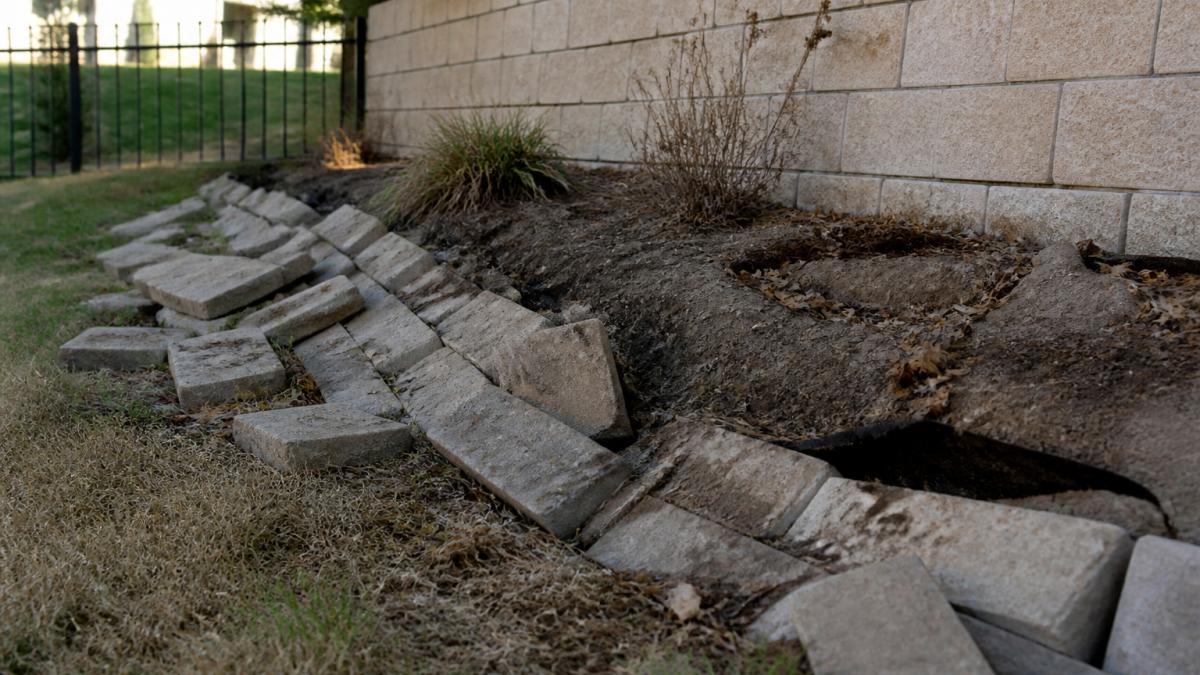
The real cost picture emerges when you factor in labor, site preparation, material handling, and the specific challenges Texas weather and soil conditions create. Limestone and caliche deposits common throughout the region require different excavation techniques than softer soils. That difference alone can shift labor costs significantly.
Material Types and Their Installation Costs
Different materials carry different price tags, but the relationship between material cost and total installation cost isn't always straightforward. Some materials cost more upfront but require less labor to install, while others are cheaper per unit but demand more time and expertise during installation.
Wood Fence Installation
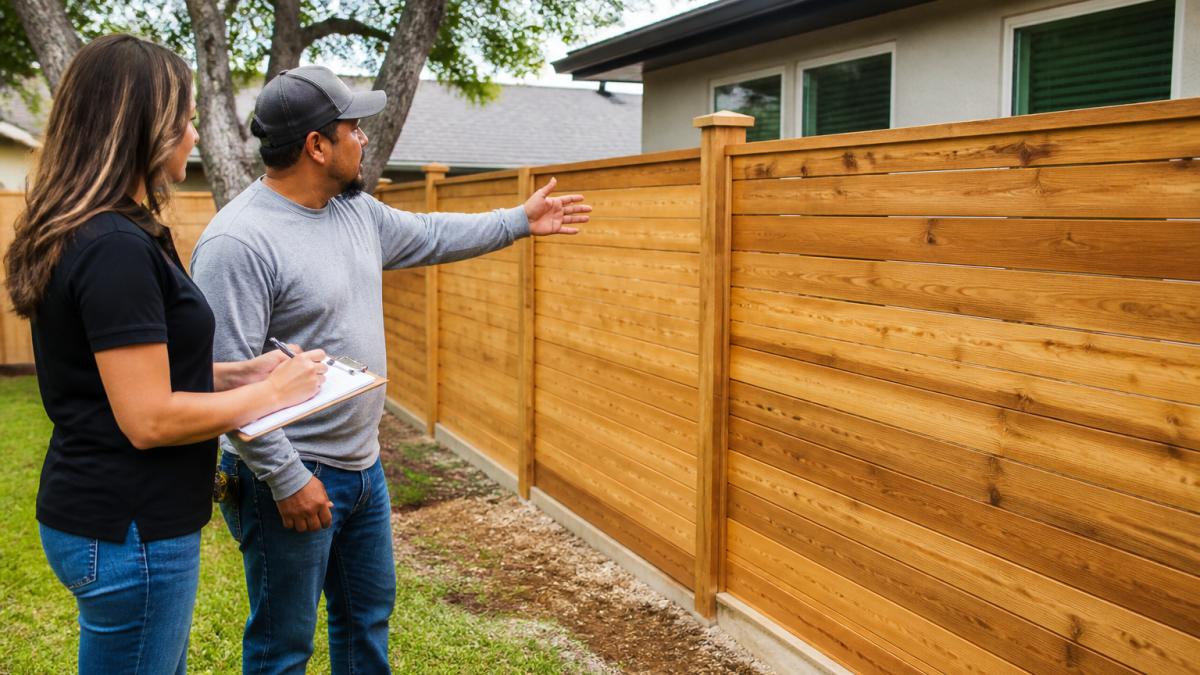
Wood remains the most common choice for residential fencing because it offers a classic aesthetic and reasonable initial cost. However, wood's vulnerability to Texas heat, humidity, and intense UV exposure means installation quality becomes critical to longevity.
Wood fence installation typically involves setting posts in concrete footings, attaching rails, and securing pickets or boards. The labor-intensive nature of wood construction, especially if you choose decorative styles with detailed cuts or custom heights, means installation time directly impacts your total project cost.
The wood species you select matters significantly. Pressure-treated pine costs less than cedar or composite alternatives, but cedar naturally resists rot better in humid climates. This choice affects not just the material expense but also how often you'll need maintenance and repairs down the road.
Vinyl and Composite Fencing
Vinyl and composite materials have gained popularity because they require minimal maintenance compared to wood. These materials don't rot, splinter, or need regular staining and sealing. Installation follows a similar post-and-rail system to wood, but the materials themselves are heavier and sometimes require specialized tools or techniques.
Vinyl's main vulnerability in Texas comes from thermal expansion. Intense heat causes vinyl to expand, and the rapid temperature swings between day and night in the Texas Hill Country can stress joints and connections.
Composite materials blend wood fibers with plastic, offering the appearance of wood with better weather resistance. They're heavier than vinyl, which can increase labor costs slightly.
Aluminum and Metal Fencing
Aluminum fencing appeals to homeowners seeking a sleek, modern look with minimal maintenance. It resists rust and requires no painting or staining. Aluminum's light weight makes installation faster than wood or composite, which can reduce labor costs.
Metal fencing installation involves setting posts, attaching horizontal rails, and securing vertical pickets or panels. Aluminum doesn't require the same deep post footings that wood does, since it's lighter and doesn't absorb moisture. This can reduce excavation costs slightly.
The trade-off with aluminum is that it offers less privacy than solid materials and can feel industrial rather than residential depending on the style. For homeowners in HOA-governed communities or upscale neighborhoods, aluminum's clean lines often meet aesthetic requirements while providing durability in Texas's challenging climate.
Durable Fencing for Texas Weather: Material Durability and Climate Impact
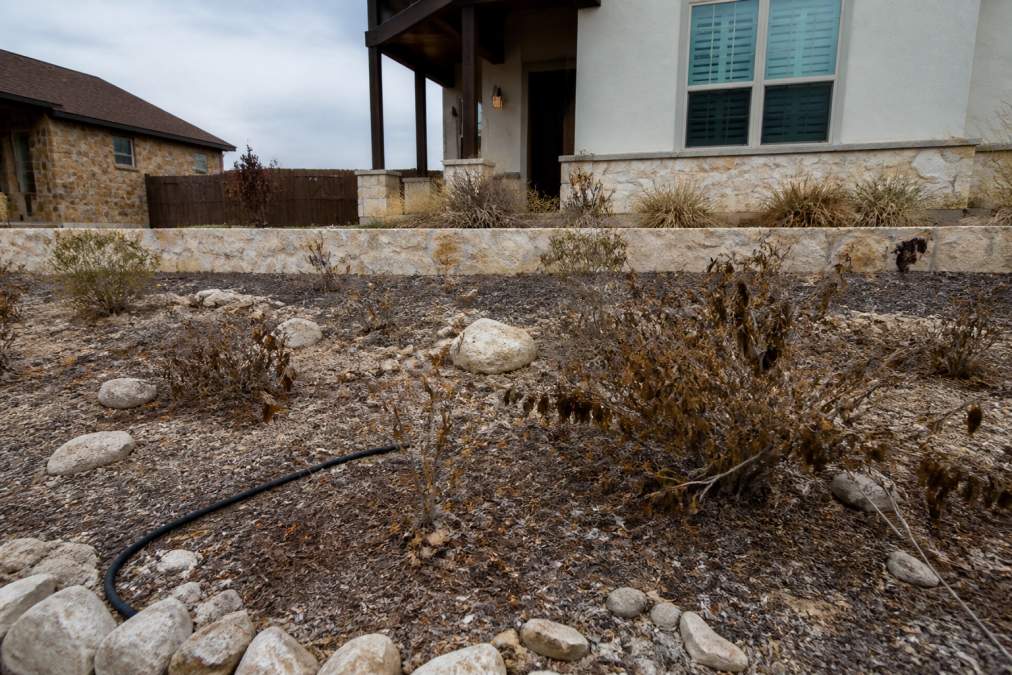
Texas weather presents unique challenges that directly affect which materials hold up over time and, consequently, how much you'll spend on repairs and replacement.
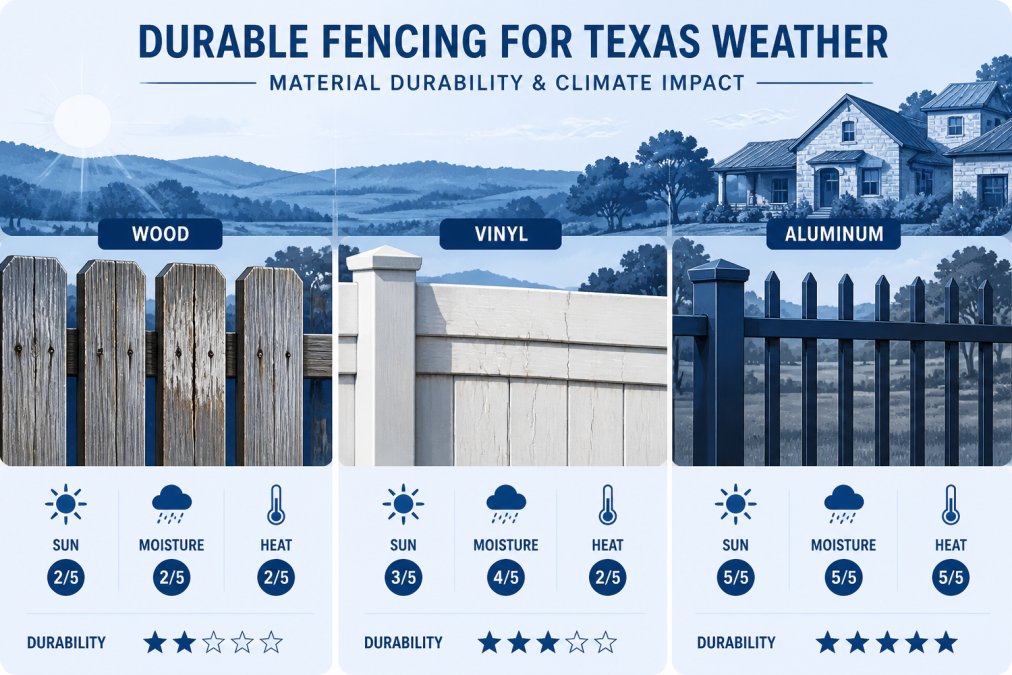
Wood absorbs and releases moisture with seasonal changes, which causes warping, cracking, and checking, the splits that appear along the grain. In San Antonio's heat, this happens faster than in cooler regions.
Vinyl performs better in extreme heat than many assume, but thermal expansion remains a real concern.
Aluminum and composite materials generally outperform wood and vinyl in Texas's climate. Aluminum doesn't warp, rot, or require sealing. Composite resists rot and insects but can fade slightly in intense sun.
The durability question shapes your total cost of ownership.
San Antonio Fence Permit Requirements and Regulatory Costs
Before digging the first post hole, you need to understand San Antonio's fence permit requirements. The city requires permits for most residential fences, and the permit process adds both time and cost to your project.
San Antonio's fence ordinances specify maximum heights (typically 6 feet for side and rear yards, 4 feet for front yards), setback distances from property lines, and material standards.
Permit costs vary but typically range in the low hundreds of dollars.
Many contractors handle the permit application as part of their service, which simplifies the process. However, you should verify whether permit costs are included in the quote or added separately.
Labor Costs and Installation Timeline
Labor represents a significant portion of custom residential fence installation cost, and understanding what drives labor expenses helps you evaluate contractor quotes fairly.
Fence installation is labor-intensive work.
A typical residential fence project takes 3-7 days depending on length and complexity. Site preparation often takes the longest, if your property has dense vegetation, significant slope, or difficult soil conditions, excavation and site clearing can add days to the project. Properties with caliche deposits or limestone ledges require specialized equipment and expertise, which affects both timeline and labor cost.
Weather delays are common in Texas. Rain can halt concrete work, and extreme heat can create safety concerns for crews working outdoors. Professional contractors build buffer time into their schedules and communicate honestly about potential delays.
Labor costs also reflect the contractor's experience and reputation. A crew experienced with San Antonio's specific soil and weather conditions works more efficiently than contractors unfamiliar with the region's challenges.
Additional Factors Affecting Your Total Project Cost
Beyond materials and labor, several other factors can increase or decrease your total custom residential fence installation cost.
Site preparation costs depend on what's already on your property. Removing an old fence, clearing vegetation, or dealing with drainage issues adds time and expense.
Utility location is critical and often overlooked. Before excavation begins, you must have utilities marked, gas, electric, water, and sewer lines.
Gate installation increases the project cost. A single gate adds material and labor; multiple gates or decorative gates cost more.
Decorative elements, lattice toppers, post caps, custom heights, or specialty materials, all increase cost. A simple stockade fence costs less than a shadowbox design or a fence with decorative cutouts.
Getting an Accurate Custom Fence Installation Quote
When you're ready to get quotes for custom residential fence installation, knowing what to ask for helps you compare apples to apples and avoid hidden costs.
Request itemized quotes that separate material costs, labor, site preparation, permits, and any additional services. This breakdown lets you see where your money goes and compare contractor pricing fairly.
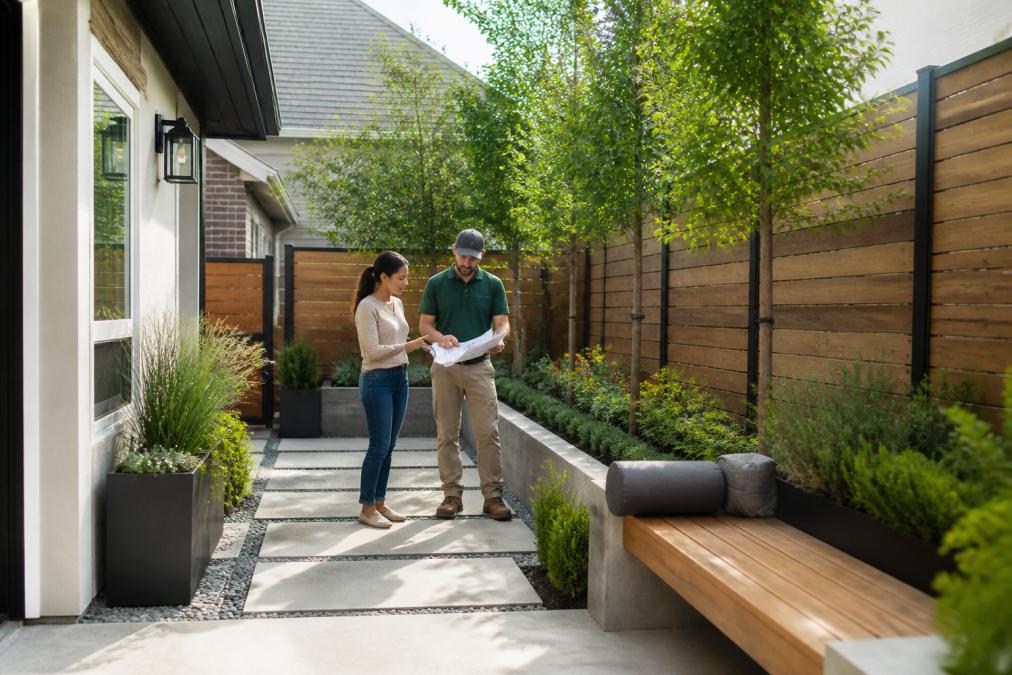
Provide contractors with clear information about your property: dimensions, existing conditions, soil type if you know it, utility locations, and any HOA restrictions.
Ask contractors about their experience with San Antonio properties and Texas weather challenges. A contractor familiar with the region's limestone, caliche, and climate conditions will provide more realistic timelines and better anticipate potential complications.
Request references from recent projects in your area.
Verify that quotes include all permits and that the contractor handles the permit process. Confirm what happens if unexpected conditions, like hitting rock or discovering utility line conflicts, are discovered during excavation.
Conclusion
The cost of custom residential fence installation in San Antonio depends on material selection, labor intensity, site conditions, and regulatory requirements. Understanding these factors helps you budget accurately and make choices aligned with your property's specific needs and Texas weather challenges.
Wolverine Land Services L.L.C. specializes in engineered fencing solutions designed to withstand Texas's intense heat, humidity, and soil conditions. Our team provides detailed, itemized quotes that account for your property's unique challenges, from caliche excavation to HOA compliance, and maintains constant communication throughout the project to ensure lasting protection for your property. Get a Free Estimate and discover how professional installation creates fencing that performs for decades.
Frequently Asked Questions
What is the average cost per linear foot for a custom residential fence installation?
Custom residential fence installation costs vary significantly based on material, site conditions, and local labor rates. Wood fencing typically falls at one price point, while vinyl, composite, and aluminum options range differently. Factors like ground preparation, existing landscape features, and permit requirements all affect the final per-foot cost. Contact Wolverine Land Services for a free estimate tailored to your property and material choice.
How does durable fencing for Texas weather affect installation costs?
Materials engineered to withstand intense heat, humidity, and freeze-thaw cycles often cost more upfront but deliver better long-term value. Premium wood treatments, vinyl formulations, and aluminum finishes designed for Texas climate resistance require specialized installation techniques. While these materials represent a higher initial investment, they reduce repair and replacement costs over the fence's lifespan, making them more economical for properties in the region.
Are there specific San Antonio fence permit requirements that increase costs?
Yes. San Antonio has specific building codes governing fence height, setback distances, materials in certain neighborhoods, and HOA-regulated communities. Permit applications and inspections add to your project timeline and cost. Some residential areas require design approval before installation begins. Working with a contractor familiar with local San Antonio fence permit requirements ensures compliance and prevents costly rework or removal orders.
Is it cheaper to install a wood or vinyl fence?
Wood fence installation typically has lower upfront costs than vinyl or composite options. However, wood requires regular maintenance, staining, and repairs in the Texas climate, which adds ongoing expenses. Vinyl costs more initially but requires minimal maintenance and lasts longer in harsh weather conditions. The true cost comparison depends on your timeline: wood is cheaper to install but more expensive to maintain; vinyl is more expensive upfront but cheaper over 10-15 years.