 ultimate-guide
Why Residential Landscaping Projects Fail
Table of Contents
- Poor Drainage and Grading Mistakes
- Common Landscape Design Mistakes That Doom Projects
- Material Quality and Installation Standards
- Inadequate Project Management and Contractor Communication
- Landscaping Project Budget Planning Gone Wrong
- How to Hire a Professional Landscaper and Avoid Failure
- Landscaping Project Timeline Expectations and Delays
- Post-Project Issues: Legal Disputes and Warranty Gaps
- Frequently Asked Questions
Last Updated: September 28, 2026
Residential landscaping projects fail more often than homeowners expect, usually due to poor planning, inadequate contractor communication, and misunderstandings about site conditions. Understanding why landscaping projects fail, and how to prevent these failures, is essential before you invest thousands of dollars in your outdoor space.
Most failures aren't accidents, they're the result of skipped steps, poor material choices, or contractors cutting corners. This guide covers the most common reasons residential landscaping projects fail and how to avoid them.
Poor Drainage and Grading Mistakes
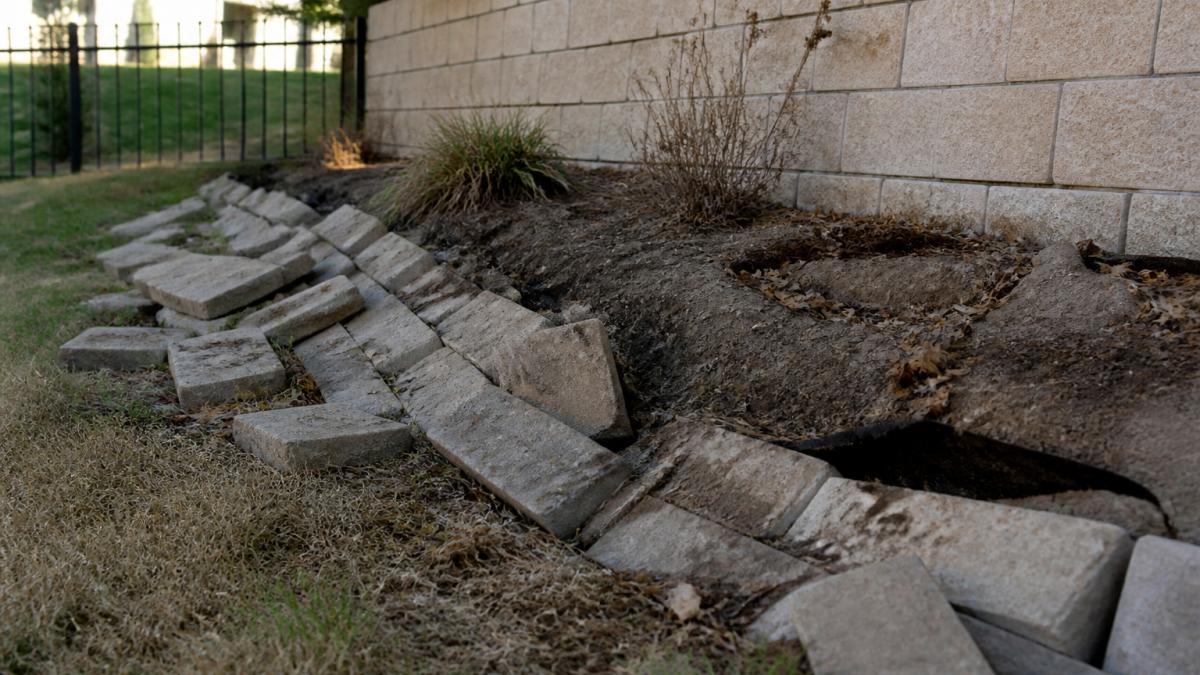
Improper drainage and grading are among the leading causes of landscape failure. When water doesn't flow away from your property, it pools, damages plant roots, and undermines hardscape structures. A proper grade slopes away from structures at roughly 1 inch of drop per 8 feet of distance. Without this, water migrates toward your home's foundation, fencing, and planting beds, accelerating deterioration.
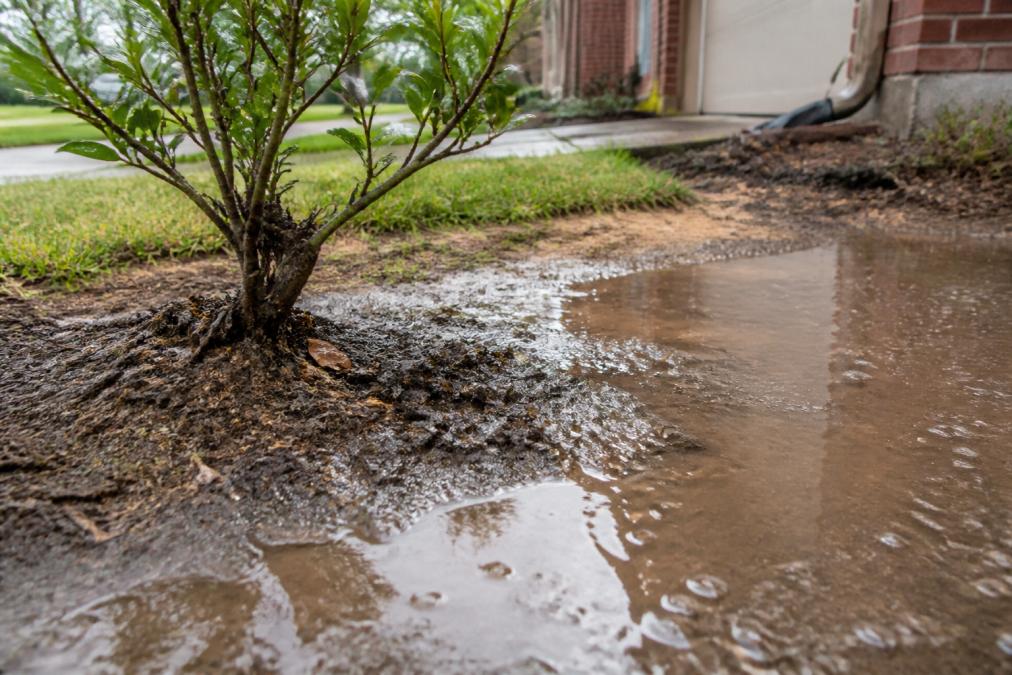
Drainage systems require planning before installation. French drains, catch basins, and swales must be positioned to intercept water flow. A patio installed without proper subsurface drainage will heave, crack, and settle unevenly within a few years.
Fixing drainage failures is costly, often requiring excavation, regrading, and hardscape replacement. Site analysis before construction is non-negotiable.
Common Landscape Design Mistakes That Doom Projects
The most common design mistake is ignoring mature plant size. A tree planted 8 feet from your house may look fine at purchase but grow 40 feet tall, damaging your foundation and blocking sunlight to your patio. Plant spacing matters as much as plant selection.
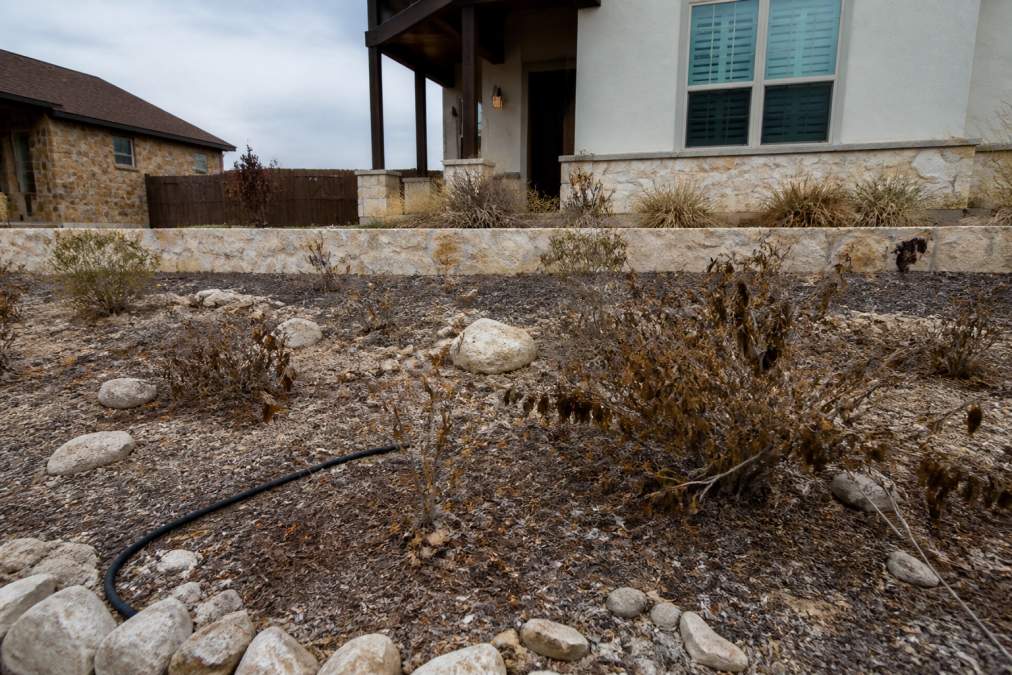
Another frequent error is failing to design for property-specific conditions: soil type, sun exposure, wind patterns, and microclimates. A design that works in one yard may fail in another due to limestone-heavy soil, intense heat, or poor air circulation. Site circulation, how people and water move through the space, often gets overlooked.
Material Quality and Installation Standards
Material quality directly determines landscape longevity. Cheap concrete pavers crack under freeze-thaw cycles, poor-quality landscape fabric degrades in sunlight, and substandard soil amendments wash away during heavy rain.
Installation standards matter as much as material choice. Proper hardscape installation requires a compacted base, appropriate substrate depth, and correct slope for drainage. A patio installed directly on soil fails within years; one with proper base preparation lasts decades.
For softscaping, plant quality is critical. Nursery-grade plants from reputable sources establish better than discount plants. Poor installation, planting too deep, failing to amend native soil, inadequate watering, causes premature failure even with quality plants.
Material durability in your climate is essential. Materials engineered for Texas heat and humidity perform; those designed for other climates deteriorate rapidly.
Inadequate Project Management and Contractor Communication
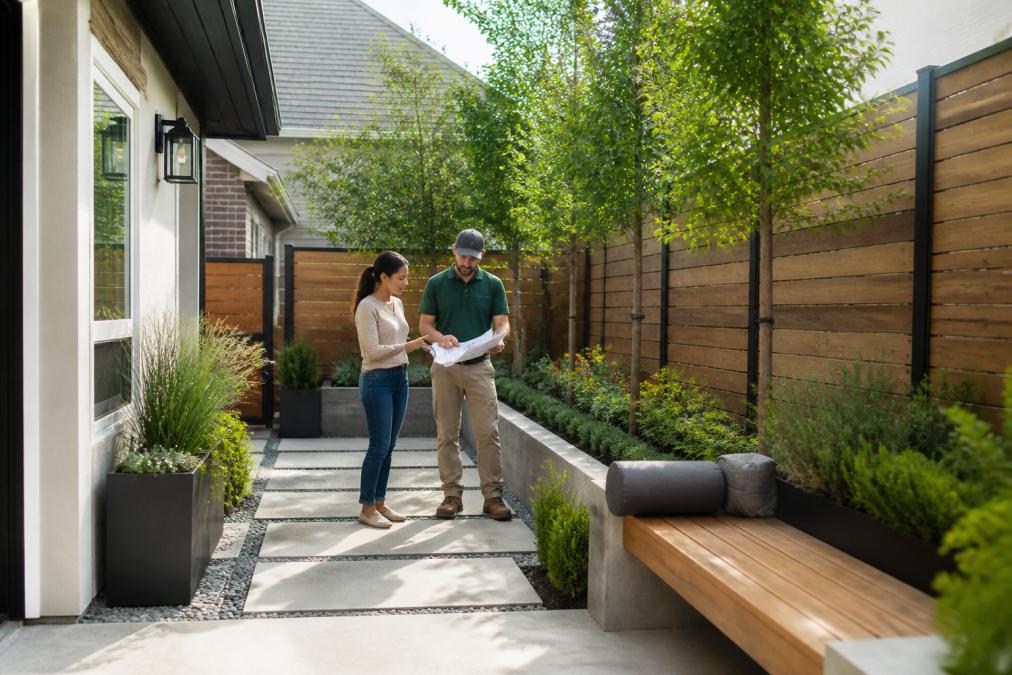
Poor communication between homeowners and contractors kills landscaping projects. A detailed scope of work prevents misunderstandings by specifying exactly what will be installed, where, using which materials, and to what standard.
Regular communication throughout the project keeps everyone aligned. Expect weekly updates, clear timelines, and advance notice of changes.
Project management failures often involve missed deadlines and scope creep, when additions and changes accumulate without adjusting timeline or budget.
Landscaping Project Budget Planning Gone Wrong
Budget mismanagement is a primary reason landscaping projects fail. Homeowners underestimate costs, contractors lowball bids, or unexpected site conditions create surprise expenses.
The Hidden Cost of Remediation
A failed landscaping project often costs 1.5 to 3 times more to fix than it would have cost to do correctly the first time. A $12,000 patio installed without proper base preparation and drainage will settle, crack, and require $28,000-$35,000 in remediation, totaling $40,000-$47,000 for a project that would have cost $18,000-$22,000 done right initially.
Drainage failures are among the costliest to remediate, with foundation water damage or basement seepage triggering remediation costs exceeding $15,000-$25,000.
Understanding Bid Differences
Unrealistic budgets often stem from comparing quotes without understanding what's included. A $15,000 bid and a $25,000 bid usually aren't the same project. The lower bid may exclude site preparation, proper drainage, quality materials, or adequate labor. Break down each bid line-by-line: Does it include site analysis? Are drainage systems explicitly listed? What base preparation depth is specified? Are plants sourced from reputable nurseries? A contractor who can't itemize their bid is a warning sign.
Contingency Reserves and Hidden Conditions
Site conditions often reveal surprises: buried utility lines, contaminated soil, unexpected rock formations, or poor subsurface drainage. A 10-15% contingency reserve prevents budget shock. Material costs also fluctuate seasonally, so lock in costs early or build in a 5-8% buffer for price increases.
Scope Creep Without Budget Adjustment
Scope creep is a budget killer. Prevent it by discussing all desired features before work begins, getting written change orders for additions with explicit cost and timeline impact, and establishing a clear cutoff date for scope changes. A professional contractor presents scope changes in writing; one who casually agrees to additions without documentation is setting up a dispute.
How to Hire a Professional Landscaper and Avoid Failure
Choosing the right contractor is the single most important decision you'll make. You need to ask specific questions that expose the failure patterns covered in this guide.
Vetting for Technical Competence
Evaluate contractor experience by asking questions tied to the failure modes that matter most:
On drainage and grading:
- "Walk me through how you assess site drainage before designing the landscape." (Vague answers suggest they skip this critical step.)
- "Tell me about a project where you installed a French drain or swale. Why was it necessary?" (Specificity indicates real experience.)
- "How do you ensure proper slope on patios? What slope do you target?" (They should cite the 1-inch-per-8-feet standard.)
On plant selection and spacing:
- "How do you determine mature plant size when designing?" (They should have a documented process.)
- "Describe your approach to selecting plants for this property. What site conditions will you evaluate?" (Listen for soil type, sun exposure, drainage, and microclimates.)
On material quality:
- "What grade of hardscape materials do you specify, and why?" (They should explain durability differences.)
- "Walk me through your base preparation process for a patio. What depth of compacted base do you use?" (Proper answers include specific depths.)
On project management:
- "How do you handle unexpected site conditions?" (They should describe a process, not a crisis.)
- "What's your typical timeline for a project like mine, and how do you communicate delays?" (They should be realistic and have a communication protocol.)
- "How do you manage scope changes during a project?" (They should describe a formal change-order process.)
Evaluating Communication and Professionalism
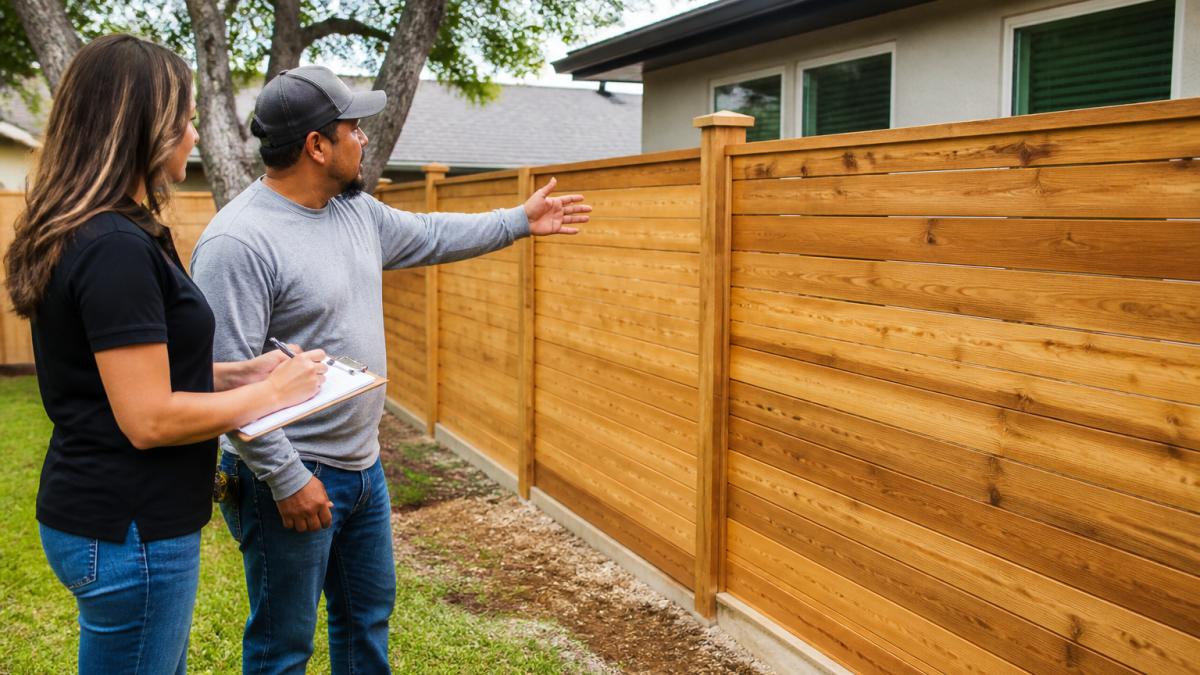
Communication style during the estimate process predicts project communication. A contractor who asks questions about your vision and site conditions before proposing solutions is more professional than one who pitches immediately. They should justify material choices and answer questions directly. A professional provides detailed, itemized written estimates; verbal quotes without documentation are red flags.
Credentials, Insurance, and Warranties
Check credentials and insurance. A professional landscaper carries liability insurance and maintains proper licensing where required. Ask to see proof of insurance and verify it's current. These protections matter if something goes wrong.
Ask about warranties on materials and workmanship. Reputable contractors stand behind their work with written warranties. Specifically ask:
- "What is your warranty on plant materials, and for how long?"
- "What is your warranty on hardscape installation and workmanship?"
- "If plants fail to establish or hardscaping settles, what is your remedy?"
A contractor who refuses to provide written warranties or offers only verbal assurances is a significant red flag. Warranties protect you if the project fails.
Interview Multiple Contractors, But Ask the Right Questions
Interview at least three contractors, but not just for price.
- How long have they been in business?
- Do they have examples of completed projects in similar conditions to yours? (Ask to visit one if possible.)
- What is their process for handling unexpected site conditions?
- How do they schedule projects, and how do they manage weather delays?
- What happens if the project extends beyond the estimated completion date?
- Do they provide a detailed scope of work in writing?
- How frequently will they communicate with you during the project?
Landscaping Project Timeline Expectations and Delays
Unrealistic timelines cause stress and often compromise quality. Understanding typical project durations and common delay sources helps you plan appropriately.
Post-Project Issues: Legal Disputes and Warranty Gaps
Landscaping failures sometimes lead to legal disputes and warranty gaps that leave homeowners without recourse. Understanding warranty obligations and documenting work prevents these problems.
Frequently Asked Questions
What are the most common reasons residential landscaping projects fail?
The biggest culprits are poor drainage and grading, inadequate site analysis for soil conditions, material quality issues, and weak contractor communication. Many projects also fail because homeowners underestimate costs (scope creep), ignore mature plant spacing requirements, or hire contractors without checking their track record in local climate conditions. In regions with challenging soil like limestone and caliche, skipping professional soil preparation is almost guaranteed to cause premature failure of both hardscaping and softscaping.
How can I avoid common landscape design mistakes?
Start with a professional site analysis that accounts for your property's drainage patterns, soil type, sun exposure, and existing structures. Design for mature plant size, not nursery size, plants need proper spacing to grow without crowding. Ensure your hardscape and softscape work together functionally; a beautiful patio that floods after rain will fail. Get the design plan in writing before work starts, and make sure it includes a long-term maintenance schedule. This prevents aesthetic and functional cohesion problems that emerge months or years later.
What should I expect in terms of landscaping project timeline?
Most residential landscaping projects take 2-8 weeks depending on scope, site conditions, and weather. Projects involving soil remediation, drainage system installation, or hardscape work typically take longer. Your contractor should provide a written project timeline with milestones and explain how weather delays, material delivery, or soil compaction issues might extend the schedule. Unrealistic timelines are a red flag, they often lead to rushed installation and poor workmanship. Always ask about contingency time built into the estimate.
How do I hire a professional landscaper who won't fail me?
Request references from projects completed in your climate and soil conditions, don't just trust portfolio photos. Ask specifically about their experience with drainage systems, hardscape durability, and how they handle scope creep or budget overruns. Verify they provide a detailed scope of work in writing, including material specifications and installation standards. Check for proper licensing and insurance. A reputable contractor will conduct a site analysis before quoting, communicate regularly during the project, and stand behind their work with a warranty. Avoid contractors who rush the estimate or won't explain their process.