 listicle
Best Fencing Materials for Texas Humidity
Table of Contents
- Why Fencing Material Selection Matters in High-Humidity Climates
- Composite Fencing: The Hybrid Solution for Durability
- Vinyl (PVC) Fencing: Maximum Moisture Resistance
- Metal Options: Aluminum and Ornamental Iron for Humid Conditions
- How Long Do Wood Fences Last in Texas
- Fence Maintenance Tips for San Antonio Properties
- Finding the Best Fence Company Near Me
- Quick Comparison Table: Materials Side-by-Side
- Frequently Asked Questions
Last Updated: September 30, 2026
Why Fencing Material Selection Matters in High-Humidity Climates
The Texas climate presents unique challenges for residential and commercial fencing. High humidity, intense summer heat, and occasional freeze-thaw cycles create an environment where material choice determines whether your fence lasts five years or twenty. Most property owners in San Antonio don't realize that the fence material that works in Arizona or Colorado will fail here within a few seasons.
Wolverine Land Services L.L.C. is dedicated to delivering dependable, high-quality results engineered to withstand tough Texas weather. We understand the challenges that high humidity, intense summer heat, and occasional freeze-thaw cycles present for residential and commercial fencing.
The best fencing materials for Texas humidity share three critical traits: they resist moisture absorption, they withstand UV deterioration, and they maintain structural integrity through temperature swings. This guide breaks down which materials actually perform in San Antonio's climate and which ones will cost you thousands in repairs or replacement within a decade.
Composite Fencing: The Hybrid Solution for Durability
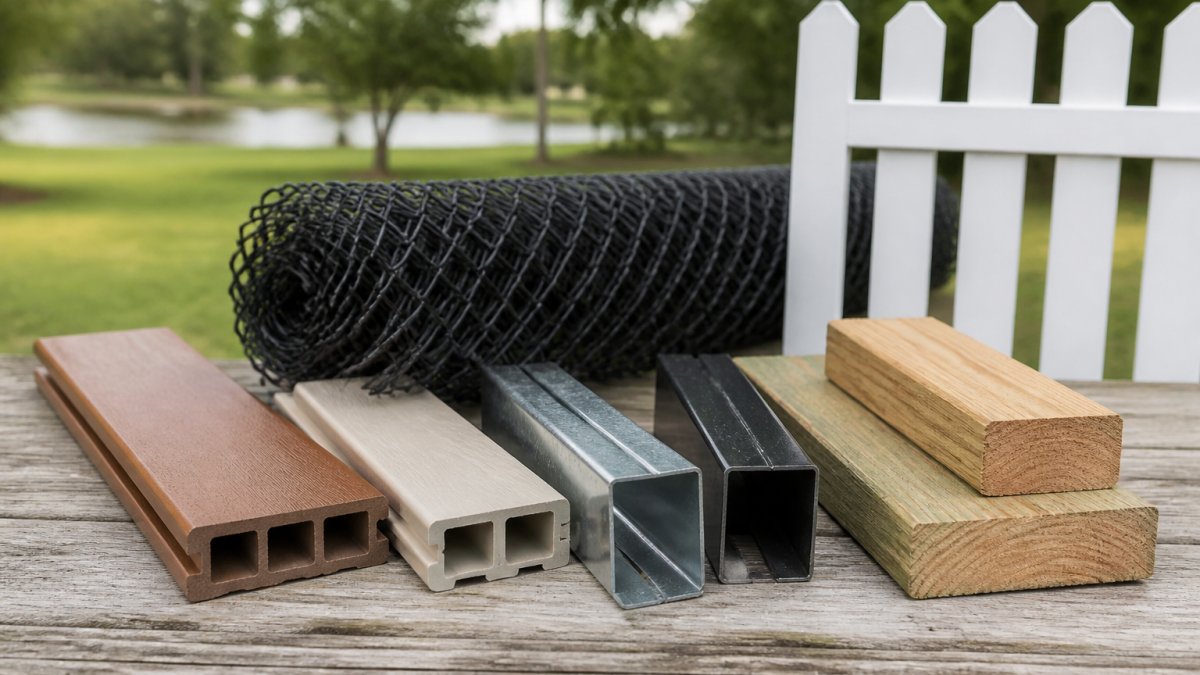
Composite fencing blends wood fibers with recycled plastics to create a material engineered specifically for high-moisture environments. It mimics the appearance of natural wood while eliminating the core problems that make traditional wood fail in Texas humidity.
The appeal is straightforward: composite delivers the aesthetic of wood without the maintenance nightmare. It resists moisture absorption, won't rot, and doesn't splinter. The lifespan typically ranges from 25 to 30 years, which is double what you get from pressure-treated pine in this climate. For property owners who want authentic wood appearance without constant upkeep, composite is the strongest option.
The tradeoff is cost. Composite runs higher than pressure-treated wood, though the reduced maintenance offsets the initial expense over time. You won't need to stain, seal, or repair rot damage. In San Antonio's humidity, that's worth the premium.
Vinyl (PVC) Fencing: Maximum Moisture Resistance
Vinyl stands as the most moisture-resistant synthetic option available. It's completely impervious to rot, rust, and the swelling that plagues wood in humid climates. PVC fencing delivers a clean, modern aesthetic and requires nothing more than occasional cleaning.
For high-humidity areas like San Antonio, vinyl's zero-maintenance durability is hard to beat. It won't absorb water, won't splinter, and won't require resealing. The material handles the moisture-heavy Texas climate better than any natural material can.
The limitation worth considering: vinyl can become brittle during extreme temperature fluctuations. While this isn't typically a major issue in San Antonio, it's a real constraint in climates with harsh winter freezes. In Texas humidity, this matters less than in northern states, but it's worth knowing before you commit.
Metal Options: Aluminum and Ornamental Iron for Humid Conditions
Metal fencing offers durability and security, but the material choice within this category determines how well it actually performs in Texas humidity.
Aluminum fencing is naturally rust-resistant, making it ideal for humid climates. The lightweight metal won't corrode even with constant moisture exposure. A powder-coated finish adds an extra layer of protection. Aluminum requires minimal maintenance and delivers decades of reliable performance in San Antonio's climate. The tradeoff is impact resistance, aluminum is less sturdy than heavier metals if structural strength is your primary concern.
Ornamental iron fencing provides maximum structural integrity and security. When properly coated, it resists humidity-related deterioration. The open design allows airflow, which actually helps prevent moisture accumulation on the surface. Iron doesn't warp or rot. The primary limitation is cost and the need for professional installation. Iron also requires attention to the protective coating, if that coating gets scratched, rust can develop at the damage point.
Both metal options outperform wood in Texas humidity. The choice between them depends on whether you prioritize lightweight ease of installation (aluminum) or maximum security and structural presence (iron).
How Long Do Wood Fences Last in Texas
This question matters because many property owners still default to wood, assuming it's the standard choice. The answer depends heavily on the specific wood type and how aggressively you maintain it.
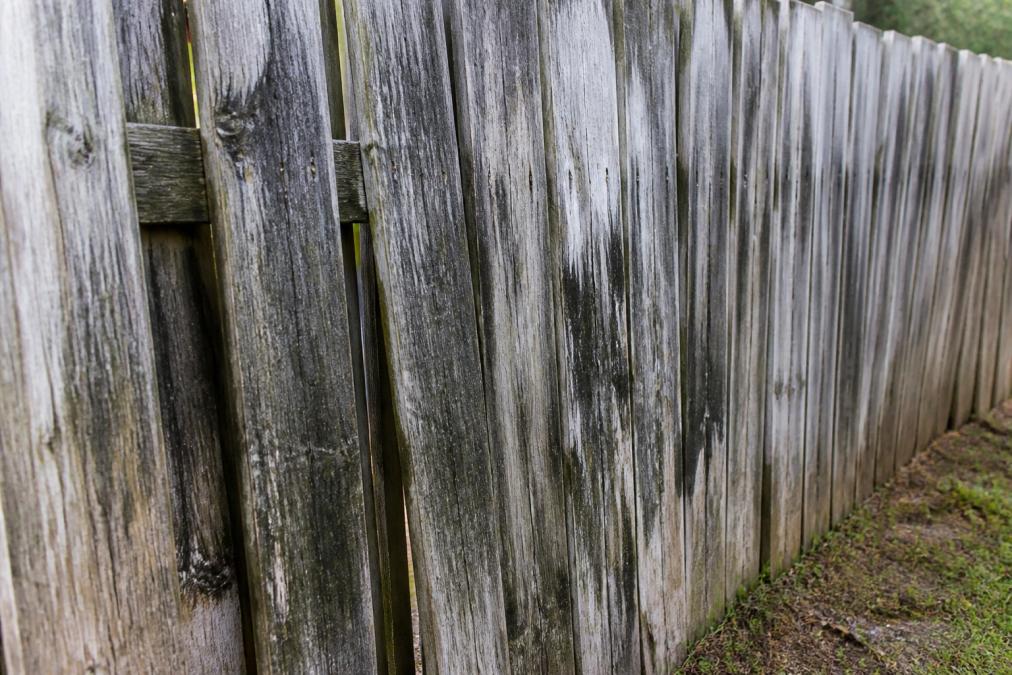
Pressure-treated pine, the budget option, typically lasts 8 to 12 years in Texas humidity before significant warping and cracking appear. The chemical treatment slows rot, but it doesn't prevent it. You're looking at regular resealing, stain touch-ups, and eventual board replacement. Many San Antonio homeowners find that by year five, they're already dealing with noticeable damage.
Redwood performs better than pine, lasting 12 to 15 years in humid conditions. The wood has natural resistance to decay that pressure-treated pine lacks. However, even redwood eventually succumbs to constant moisture exposure and UV damage. Redwood also costs significantly more than pine, and sourcing quality redwood in Texas can be challenging.
The real issue with wood in Texas humidity isn't that it fails catastrophically. It's that it requires constant attention. Sealing, staining, board replacement, and repair work add up quickly. Many property owners end up spending more on maintenance than they would have spent initially choosing a material engineered for moisture resistance.
Fence Maintenance Tips for San Antonio Properties
Regardless of which material you choose, climate-specific maintenance extends the lifespan and keeps your fence looking sharp.
For composite and vinyl fencing, maintenance is minimal. Annual cleaning with a soft brush and mild soap removes dirt and mildew growth. Avoid high-pressure washing, which can damage the surface. That's genuinely it, no sealing, no staining, no repairs unless something breaks.
For metal fencing, inspect the protective coating annually. Look for scratches, chips, or areas where bare metal shows through. Small damage spots can be touched up with matching paint or powder coat. This prevents rust from developing at the damage site. Aluminum requires less attention than iron, but both benefit from this annual inspection.
For wood fencing (if you choose it), the maintenance commitment is real. Seal or stain every 2 to 3 years, depending on weather exposure. Inspect boards for rot, especially at ground level where moisture accumulates. Replace damaged boards promptly to prevent deterioration from spreading. In San Antonio's humidity, this isn't optional maintenance, it's the difference between a fence that lasts 15 years and one that fails in 8.
The best fence company near me will provide clear guidance on what you need to do. Wolverine Land Services L.L.C. includes maintenance recommendations with every installation.
Finding the Best Fence Company Near Me
Choosing the right contractor matters as much as choosing the right material. A quality installation prevents problems that poor workmanship creates.
Look for a company with specific experience in San Antonio's climate. General contractors who work across multiple regions may not understand how Texas humidity affects different materials. You want a team that has installed hundreds of fences in these exact conditions and can show you examples of work that's held up over years, not just months.
Ask about their material sourcing and installation methods. Do they use materials specifically engineered for humid climates, or do they default to commodity options? Do they understand proper drainage and ventilation around fence posts? These details separate contractors who understand the climate from those who don't.
Request references from San Antonio properties specifically.
Quick Comparison Table: Materials Side-by-Side
| Material | Moisture Resistance | Typical Lifespan | Maintenance | Best For | Cost Position |
|---|---|---|---|---|---|
| Composite | Excellent | 25-30 years | Minimal (occasional cleaning) | Homeowners wanting wood look without upkeep | Higher |
| Vinyl (PVC) | Excellent | 25-30 years | Minimal (occasional cleaning) | Low-maintenance, modern aesthetic | Higher |
| Aluminum | Excellent | 20-30 years | Low (annual inspection) | Lightweight, rust-proof metal option | Medium-High |
| Ornamental Iron | Good (if coated) | 20-30 years | Moderate (coating inspection, touch-ups) | Security and traditional aesthetics | High |
| Pressure-Treated Pine | Fair | 8-12 years | High (regular sealing, staining) | Budget-conscious projects | Lower |
| Redwood | Good | 12-15 years | Moderate (periodic sealing) | Natural wood with better durability than pine | Medium |
The data is clear: materials engineered for moisture resistance outperform natural wood in San Antonio's climate. Composite and vinyl deliver the lowest maintenance with the longest lifespan. Metal options provide security and durability when you need structural strength. Wood requires active maintenance to avoid premature failure.
Frequently Asked Questions
Does humidity damage wood fences in San Antonio?
Yes, humidity is one of the primary threats to wood fencing in San Antonio. Pressure-treated pine absorbs moisture and warps or shrinks over time, often within 5-7 years. Redwood and cedar offer better natural resistance but still require regular maintenance. Composite and vinyl fencing materials resist moisture damage far more effectively, making them superior choices for high-humidity environments where wood struggles.
Is vinyl fencing better than wood for humid Texas climates?
Vinyl (PVC) fencing significantly outperforms wood in humid conditions. It's completely impervious to rot, rust, and moisture damage, whereas wood absorbs water and deteriorates. Vinyl requires minimal maintenance, just occasional soap and water cleaning. However, vinyl can become brittle in extreme temperature swings. For durability in Texas humidity, vinyl is generally the better choice, though composite fencing offers a wood-like appearance with similar moisture resistance.
What maintenance does composite fencing require in humid climates?
Composite fencing requires significantly less maintenance than wood. It resists moisture and UV damage, so you won't face warping or rot. Occasional cleaning with soap and water keeps it looking fresh. Unlike wood, composite doesn't need staining, sealing, or annual treatments. Its 25-30 year lifespan makes it ideal for San Antonio homeowners who want a low-maintenance, wood-look fence that actually holds up to Texas heat and humidity.
How often should I maintain my fence in San Antonio's climate?
Maintenance frequency depends on material. Vinyl and composite need cleaning 1-2 times yearly. Wood fences require annual inspections, staining or sealing every 2-3 years, and repairs as needed. Metal fences (aluminum or iron) need annual checks for coating damage and rust spots. High humidity accelerates deterioration, so inspecting your fence after heavy rain or before summer heat is wise to catch problems early.