 how-to
Professional Site Maintenance for Developers: A How-To Guide
Table of Contents
- What Professional Site Maintenance Means for Developers
- Step 1: Create a Land Development Maintenance Checklist
- Step 2: Implement Erosion Control for Construction Sites
- Step 3: Understand the Cost of Site Maintenance for Developers
- Step 4: Hire Professional Landscaping for Commercial Developments
- Common Mistakes to Avoid During Site Maintenance
- Tools and Resources for Managing Site Maintenance
- Frequently Asked Questions
Last Updated: October 4, 2026
What Professional Site Maintenance Means for Developers
Professional site maintenance for developers encompasses the systematic care, monitoring, and upkeep of construction and development sites to ensure safety, compliance, and long-term property protection. For real estate developers in the San Antonio area, this goes beyond basic cleanup, it's about preserving your investment against Texas weather and maintaining the structural integrity of landscaping and site improvements.
At Wolverine Land Services L.L.C., we understand that professional site maintenance for developers isn't a one-time task. It's an ongoing commitment that starts during construction and continues long after the project completes. Developers who neglect this phase often face costly repairs, regulatory issues, and damaged property values.
The core components include erosion control, drainage management, vegetation care, hardscape inspection, and seasonal adjustments. Each plays a role in protecting your development from the intense Texas heat, humidity, and occasional severe weather that can quickly degrade unprotected sites.
Step 1: Create a Land Development Maintenance Checklist
A land development maintenance checklist becomes your operational backbone. It tracks what needs attention, when it needs attention, and who's responsible. Without one, maintenance tasks slip through the cracks, and small problems become expensive ones.
Essential Items to Track
Your checklist should include drainage systems, erosion barriers, landscaping health, hardscape conditions, irrigation functionality, and site grading. Document the condition of fencing, gates, and perimeter security. Note soil compaction levels and any signs of settling or subsidence. Track vegetation growth patterns and seasonal changes specific to the San Antonio climate.
Add weather-related items: check for storm damage after heavy rains, inspect for heat stress on new plantings during summer, and monitor for frost damage in rare winter events. Include utility line locations and clearances. Document any pest activity or disease in landscaping.
| Maintenance Task | Frequency | Responsibility | Notes |
|---|---|---|---|
| Drainage inspection | Monthly | Site manager | Check for clogs, pooling water |
| Erosion barrier check | After rain | Field team | Look for gaps, damage, displacement |
| Vegetation assessment | Bi-weekly | Landscaper | Monitor health, irrigation needs |
| Hardscape inspection | Quarterly | Contractor | Check for cracks, settling, displacement |
| Soil compaction test | Annually | Engineer | Verify stability, adjust grading |
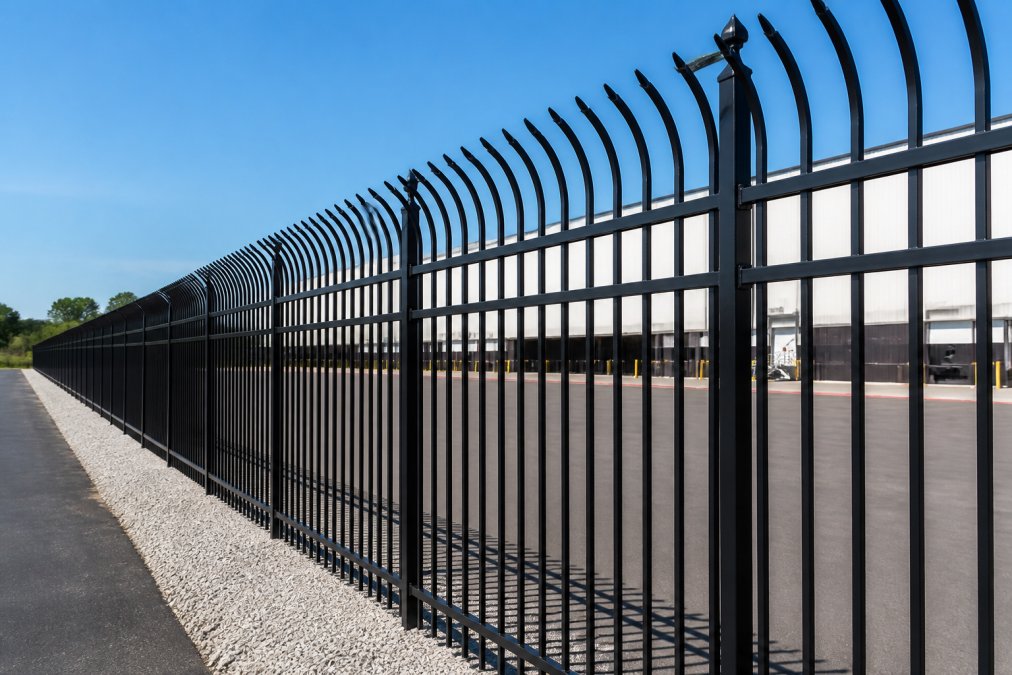
| Fencing/perimeter check | Monthly | Security/manager | Ensure integrity, repair damage |
Frequency and Scheduling
Monthly inspections catch small issues before they escalate. After heavy rain or storms, conduct emergency assessments within 24 hours. Seasonal transitions, spring growth, summer heat stress, fall preparation, winter protection, each demand specific attention.
Schedule quarterly reviews with your maintenance contractor. These formal check-ins document conditions, identify trends, and adjust the maintenance plan as needed. Annual comprehensive audits should include soil testing, structural assessments, and long-term projections.
Document everything. Photos, dates, observations, and corrective actions create a maintenance history. This record protects you legally and helps future owners understand the site's care standards.
Step 2: Implement Erosion Control for Construction Sites
Erosion control isn't optional in Texas. The combination of intense rainfall, soil composition, and construction activity creates serious erosion risk. Uncontrolled erosion damages landscaping, fills drainage systems with sediment, and violates environmental regulations.
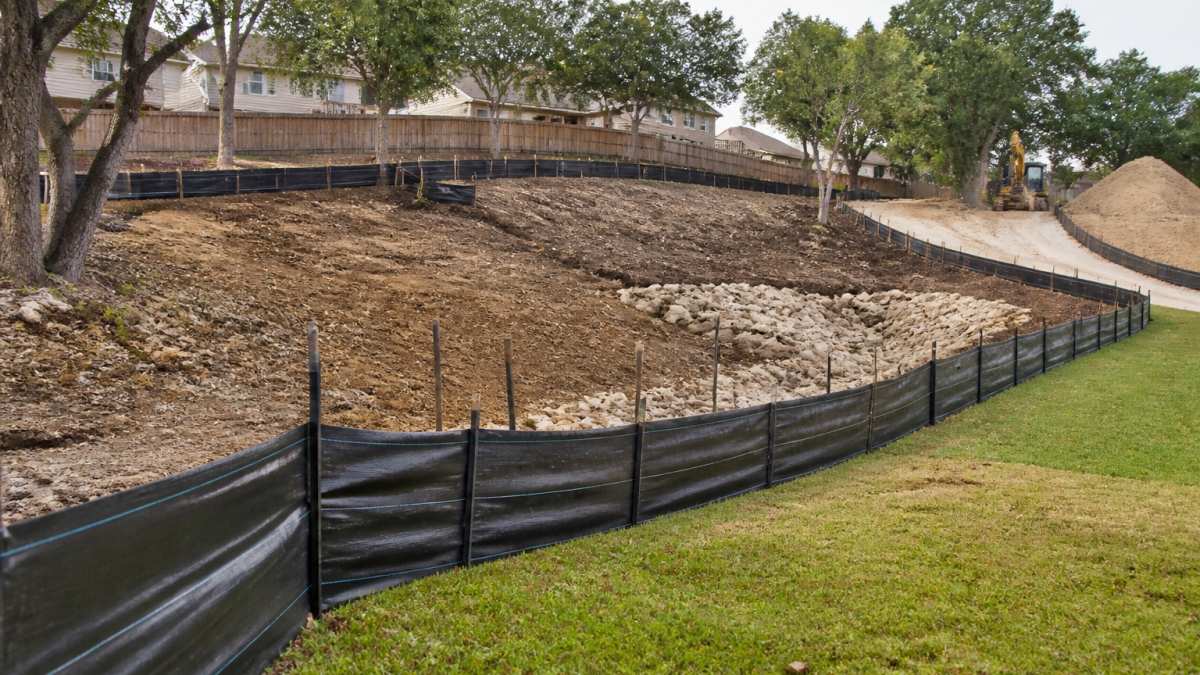
Erosion Control Methods That Work in Texas
Silt fencing remains the most common erosion barrier. Install it along downslope perimeters and around disturbed areas. Check it weekly for tears, gaps, or sediment buildup that reduces effectiveness.
Sediment control blankets stabilize bare soil on slopes. They're particularly effective on newly graded areas where vegetation hasn't established. Replace them once vegetation takes hold, usually within 60 to 90 days in the San Antonio area.
Erosion control logs (coconut fiber or straw) redirect water flow and trap sediment. Position them at the base of slopes and along contours to slow runoff. They work well on moderate slopes and integrate naturally as they decompose.
Inlet protection devices prevent sediment from entering storm drains. These range from simple drop-inlet sediment filters to more sophisticated catch-basin inserts. They're often required by local permitting in San Antonio developments.
Dust control matters too. Stabilize exposed soil with dust suppressants or temporary vegetation. Wind carries fine particles across properties, affecting neighbors and violating air quality standards.
Establish construction access points with stabilized entrances. Rumble plates or wash stations reduce sediment tracking onto public roads. This protects the site's reputation and keeps you compliant with local ordinances.
Step 3: Understand the Cost of Site Maintenance for Developers
The cost of site maintenance for developers varies based on site size, complexity, existing conditions, and local labor rates. Understanding cost drivers helps you budget accurately and avoid surprises.
Budget Planning Factors
Site acreage directly affects costs. Larger sites require more frequent inspections, more materials for erosion control, and more labor for maintenance tasks. A five-acre development costs significantly more to maintain than a one-acre lot.
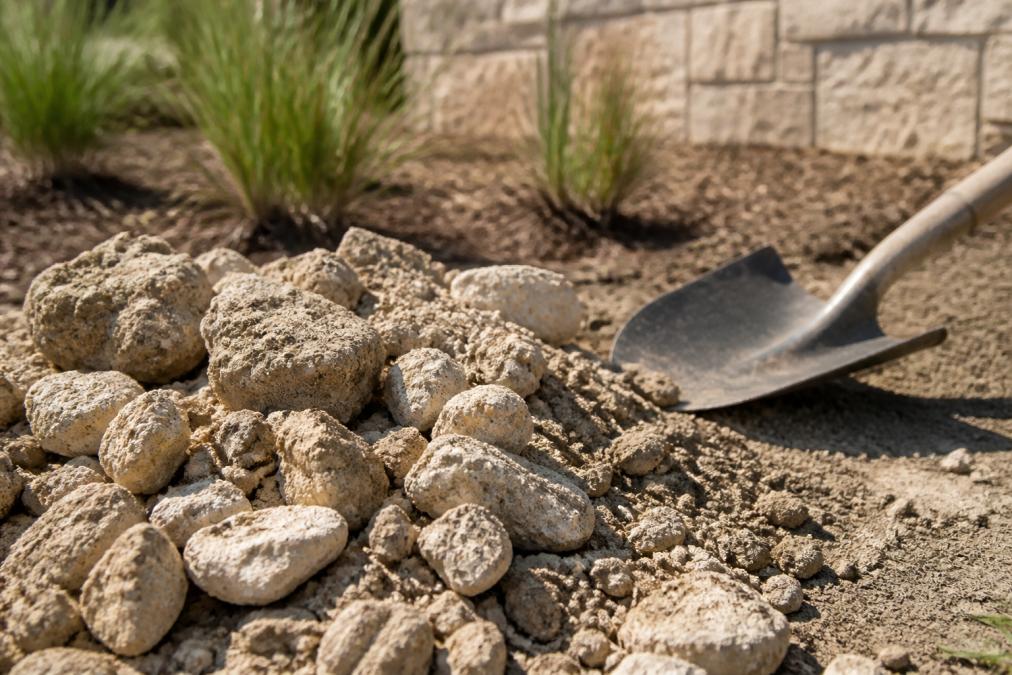
Soil conditions influence expenses. Sites with poor drainage or high clay content require more intensive erosion control. Limestone and caliche, common in the San Antonio area, complicate grading and drainage work.
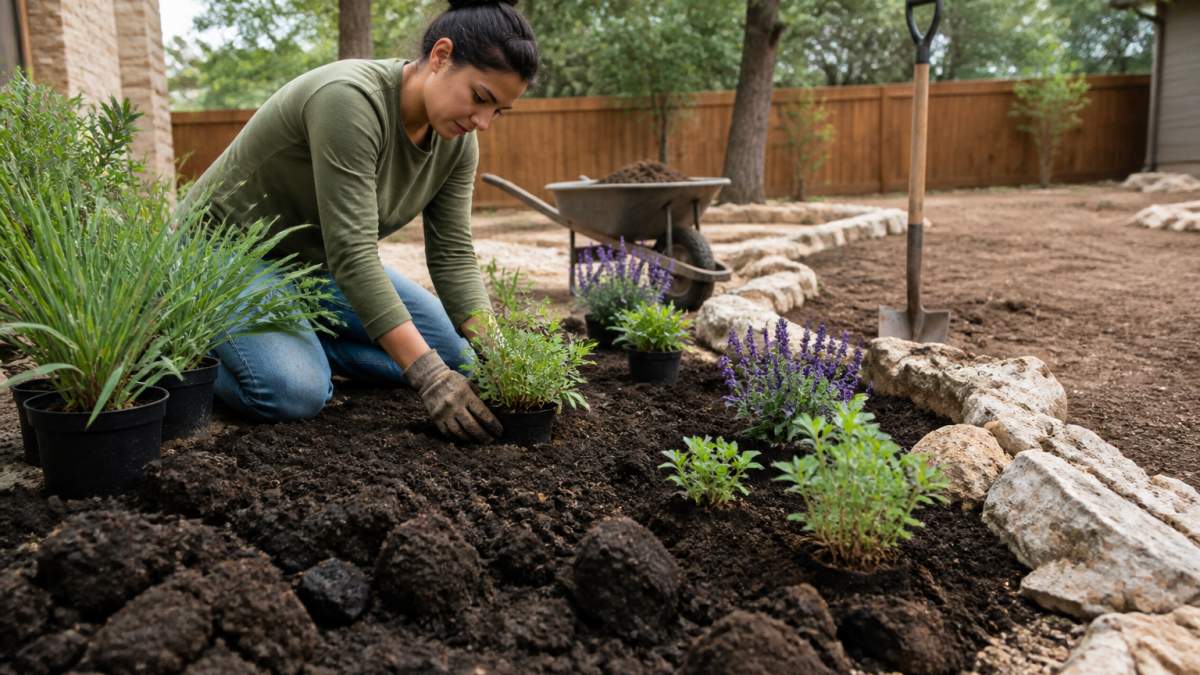
Vegetation type and density affect maintenance frequency and methods. Native Texas plants typically require less water and care once established, but newly planted landscapes demand intensive watering and monitoring during establishment.
Weather frequency and severity impact costs. Years with heavy rainfall increase erosion control demands. Severe storms may require emergency repairs and additional inspections.
Labor availability and rates vary seasonally. Spring and fall maintenance peaks drive up contractor availability and pricing. Off-season scheduling can reduce costs.
Regulatory requirements add to expenses. Environmental permits, stormwater management plans, and local ordinances may require specific erosion control measures or professional inspections.
Professional contractors typically charge based on site visits, materials, and labor hours. Get quotes from multiple providers. Compare their experience with San Antonio-area developments and their understanding of local soil and climate challenges.
Step 4: Hire Professional Landscaping for Commercial Developments
Hiring professional landscaping for commercial developments requires careful evaluation. The wrong contractor creates liability, delays, and poor results. The right contractor becomes a long-term partner protecting your investment.
What to Look for in a Contractor
Experience with commercial developments in the San Antonio area matters significantly. Contractors familiar with local soil, climate, and regulations work more efficiently and anticipate problems others miss. Ask for examples of completed projects similar in size and scope to yours.
Licensing and insurance are non-negotiable. Verify current landscaping licenses, liability insurance, and workers' compensation coverage. Request certificates of insurance naming your development as an additional insured.
Equipment and crew size indicate capacity. A contractor with limited equipment struggles with larger projects. Inadequate crew size leads to delays and rushed work.
References from recent projects reveal reliability and quality. Contact previous clients. Ask about timeline adherence, communication, problem-solving, and final results.
Wolverine Land Services L.L.C. brings woman-owned expertise to San Antonio developments. Our team understands how Texas weather challenges landscaping and fencing.
Questions to Ask Before Hiring
Ask about their approach to professional site maintenance for developers. How do they handle erosion control? What's their inspection schedule? How do they document work?
Inquire about communication protocols. Will you have a dedicated point of contact? How often will you receive updates? What's their response time for problems?
Ask about warranty and guarantees. What happens if plants don't survive the establishment period? If erosion control fails, who bears the cost? Clear expectations prevent disputes later.
Discuss their experience with regulatory compliance. Have they worked with San Antonio permitting? Do they understand stormwater management requirements? Can they navigate HOA approval processes for upscale neighborhoods?
Ask about seasonal adjustments. How do they adapt maintenance for Texas heat, occasional freezes, and heavy rain periods? Generic contractors apply the same approach everywhere, experienced ones adjust for local conditions.
Request a detailed proposal including scope, timeline, costs, and contingencies. Vague proposals hide problems. Detailed ones protect both parties.
Common Mistakes to Avoid During Site Maintenance
Skipping erosion control during construction creates environmental violations and property damage. This isn't a cost-cutting measure, it's a liability multiplier.
Neglecting drainage maintenance leads to pooling water, foundation issues, and dead landscaping. Poor drainage compounds every other maintenance problem.
Using contractors unfamiliar with San Antonio conditions results in poor material selection and maintenance approaches that don't work in local climate. What works in other regions fails here.
Delaying repairs turns minor issues into major expenses. A small erosion barrier gap becomes a gully. A cracked hardscape becomes a safety hazard.
Inadequate documentation creates problems during property transitions and disputes. Keep records of all work, inspections, and conditions.
Ignoring seasonal needs means missing critical maintenance windows. Spring preparation, summer heat management, and winter protection each require specific actions.
Underestimating the complexity of professional site maintenance for developers leads to under-budgeting and rushed work. Plan for ongoing care, not just initial landscaping.
Tools and Resources for Managing Site Maintenance
Project management software tracks maintenance tasks, schedules, and contractor communication. Tools like Asana, Monday.com, or ClickUp help coordinate complex sites with multiple contractors and stakeholders.
Inspection apps document conditions with photos, notes, and timestamps. They create a maintenance history accessible to all team members.
Weather monitoring services alert you to heavy rain, storms, or temperature extremes. This helps you schedule inspections after weather events and prepare for seasonal challenges.
Soil testing kits or professional soil analysis services reveal drainage capacity, compaction, and nutrient levels. This guides amendment decisions and erosion control strategies.
Local permitting resources from San Antonio's development services provide guidance on regulatory requirements. Understanding local standards prevents compliance issues.
Contractor networks and industry associations connect you with experienced professionals. The Texas Landscape Contractors Association offers member directories and educational resources.
Professional site maintenance for developers in the San Antonio area requires commitment, planning, and the right team. Wolverine Land Services L.L.C. provides the expertise and reliability commercial developments demand.
Professional site maintenance for developers protects your investment and maintains property value. The challenge isn't knowing what to do, it's ensuring consistent execution over months and years. Wolverine Land Services L.L.C. brings engineered solutions specifically designed to withstand tough Texas weather and terrain. Our team manages erosion control, landscape establishment, and hardscape protection with the constant communication and dependable execution your development deserves. Get a Free Estimate and let our woman-owned team show you how professional site maintenance transforms your San Antonio development into a lasting asset.
Frequently Asked Questions
What are the main site maintenance requirements for developers in Texas?
Site maintenance for developers includes erosion control, vegetation management, drainage system upkeep, soil stabilization, and regular inspection of site conditions. Texas weather, intense heat, humidity, and occasional heavy rainfall, creates specific challenges. Developers must address limestone and caliche soil conditions, manage water runoff, prevent sediment displacement, and maintain access roads. A professional maintenance plan protects property value, ensures regulatory compliance, and prevents costly damage from weather and soil movement.
How do I choose a professional site maintenance contractor for my development project?
Look for contractors with experience in your specific project type and local climate conditions. Ask for references from similar projects, verify licensing and insurance, and confirm they understand Texas soil and weather challenges. Request a detailed maintenance plan, clarify response times for emergencies, and discuss how they handle unexpected issues. A good contractor communicates regularly, provides written reports, and stands behind their work with follow-up inspections and adjustments.
Why is professional site maintenance critical for preventing erosion in Texas?
Texas weather, heavy summer storms, temperature swings, and extended dry periods, accelerates soil erosion on development sites. Uncontrolled erosion damages landscaping, destabilizes structures, clogs drainage systems, and triggers costly repairs. Professional erosion control uses silt fencing, sediment barriers, vegetation stabilization, and drainage design to protect soil and water quality. This prevents liability issues, maintains site safety, and protects your investment in landscaping and infrastructure.
What factors affect the cost of site maintenance for developers?
Costs depend on project size, site complexity, soil type, weather exposure, and maintenance frequency. Sites with poor drainage, steep slopes, or challenging soil conditions require more intensive management. Seasonal factors also matter, Texas summer heat and occasional heavy rainfall increase maintenance demands. Hiring a professional contractor upfront typically costs less than repairing erosion damage, failed landscaping, or drainage failures later. Request a detailed estimate based on your specific site conditions.